
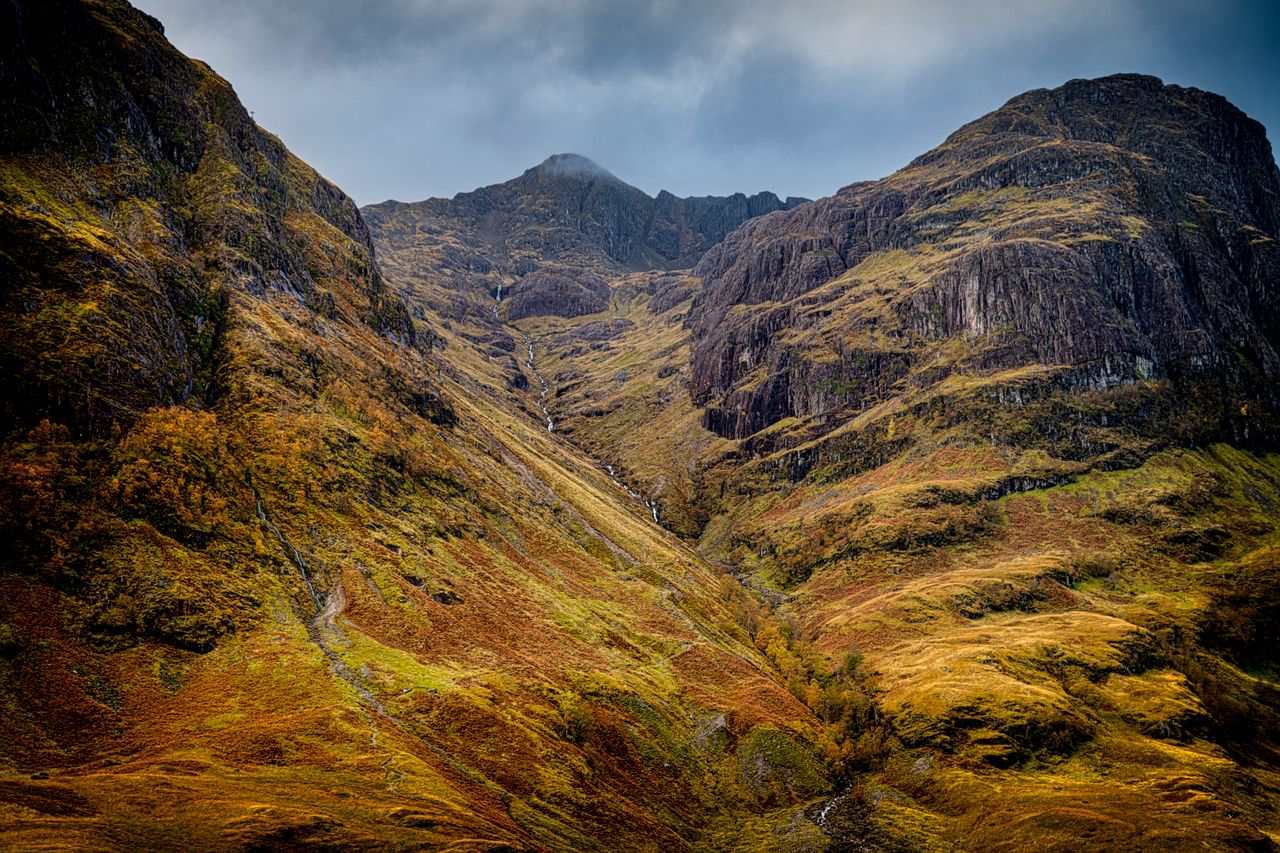
The Scottish Highlands are famous for dramatic scenery, rugged mountains, mist-covered glens, and endless stretches of wild moorland. While geology and history have certainly helped shape the region, one force influences the Highlands more than almost anything else — the weather.
From heavy rainfall and powerful winds to snow-covered peaks and sudden sunshine, Highland weather constantly transforms the landscape. It affects the colours of the hills, the flow of rivers, the growth of forests, and even the way people experience Scotland itself.
For many visitors, the changing weather is part of what makes the Highlands feel so unique and unforgettable.
A Landscape Built by Climate
The Highlands experience some of the most varied and unpredictable weather in the United Kingdom. Atlantic weather systems move rapidly across western Scotland, bringing frequent rain, strong winds, and dramatic cloud formations.
Over thousands of years, these conditions have helped shape the land itself.
Weather Has Created:
- Deep glens and valleys through erosion
- Fast-flowing rivers and waterfalls
- Vast peat bogs and moorlands
- Bare mountain slopes above the tree line
- Constantly changing lochs and coastlines
The Highlands are not static landscapes. Wind, rain, frost, and snow continue to shape the environment every year.
Rain and the Highland Landscape
Rainfall is one of the defining features of the Highlands, particularly in western areas such as Glen Coe and the Isle of Skye.
Some regions receive several metres of rainfall annually.
How Rain Shapes the Highlands
Heavy rainfall contributes to:
- Waterfalls cascading through mountain valleys
- Deep green vegetation and forests
- Swollen rivers cutting through rock
- Mist and low cloud across the hills
- The formation of peatlands and wetlands
Without frequent rain, the Highlands would look completely different. The lush greens and dramatic waterfalls that attract visitors depend heavily on Scotland’s wet climate.
Mist, Fog, and Atmosphere
One of the most recognisable features of the Highlands is the ever-changing mist drifting across mountains and glens.
Warm and cold air frequently collide across Highland terrain, creating fog and low cloud that can transform the landscape within minutes.
The Effect of Highland Mist
Mist adds:
- Dramatic scenery for photographers
- A sense of mystery and isolation
- Rapid changes in visibility
- Atmospheric light across lochs and hills
Locations such as Loch Ness are particularly famous for misty mornings that create an almost mythical atmosphere.
Snow and Winter Conditions
During winter, higher parts of the Highlands are often covered in snow and ice. Mountains within the Cairngorms National Park and around Ben Nevis can experience severe winter conditions for months at a time.
Winter Transforms the Highlands
Snow and freezing temperatures create:
- White mountain summits
- Frozen lochs and streams in colder areas
- Harsh conditions for wildlife
- Increased avalanche risks on steep slopes
- Spectacular winter scenery
Winter weather can make the Highlands appear both beautiful and unforgiving at the same time.
Wind and the Shape of the Land
Strong winds constantly sweep across exposed Highland landscapes, especially near the coast and on mountain ridges.
Over time, wind affects vegetation and erosion patterns throughout the region.
Wind Influences:
- The twisted shapes of Highland trees
- Soil erosion on exposed hillsides
- The spread of heather and grasses
- Coastal cliff formations
- Harsh conditions above the tree line
In some mountain areas, conditions become too severe for forests to survive at higher elevations.
Heather, Moorland, and Climate
The famous purple heather of the Highlands thrives because of the region’s cool temperatures, damp conditions, and acidic soil.
The climate supports vast areas of moorland that define much of Highland scenery.
Common Highland Vegetation
Weather conditions help support:
- Heather moorland
- Peat bogs
- Moss-covered forests
- Hardy mountain grasses
- Native pine woodland
These habitats also provide homes for wildlife including red deer, golden eagles, and mountain hares.
Sudden Weather Changes
One of the most remarkable things about Highland weather is how quickly it changes.
A single day may include:
- Bright sunshine
- Heavy rain
- Thick mist
- Strong winds
- Clear blue skies again within hours
This unpredictability creates constantly shifting light and scenery, which is one reason photographers and filmmakers are so drawn to the Highlands.
How Weather Shapes Highland Culture
The climate has influenced Highland life for centuries. Historically, people adapted homes, farming methods, clothing, and travel routes to cope with harsh conditions.
Traditional Highland communities relied on resilience and careful planning during long winters and wet seasons.
Even today, weather still affects:
- Farming and crofting
- Outdoor tourism
- Mountain rescue services
- Wildlife conservation
- Daily travel in remote areas
The Highlands remain closely connected to the natural environment in ways many modern regions are not.
The Beauty of Unpredictability
For visitors, Highland weather is not simply something to endure — it is part of the experience itself.
Rain clouds rolling across mountains, sunlight breaking through mist, and reflections forming on still lochs all create moments that feel uniquely Scottish.
The constantly changing conditions mean the Highlands never look exactly the same twice.
A Landscape Defined by Weather
The Scottish Highlands owe much of their beauty and character to the weather that shapes them every single day. Rain, snow, wind, and mist have carved the land, supported its wildlife, and created the dramatic scenery that has inspired generations.
Far from ruining the experience, Highland weather gives the region its atmosphere, mystery, and identity.
It is impossible to truly understand the Highlands without understanding the powerful role weather plays in shaping one of the world’s most remarkable landscapes.