
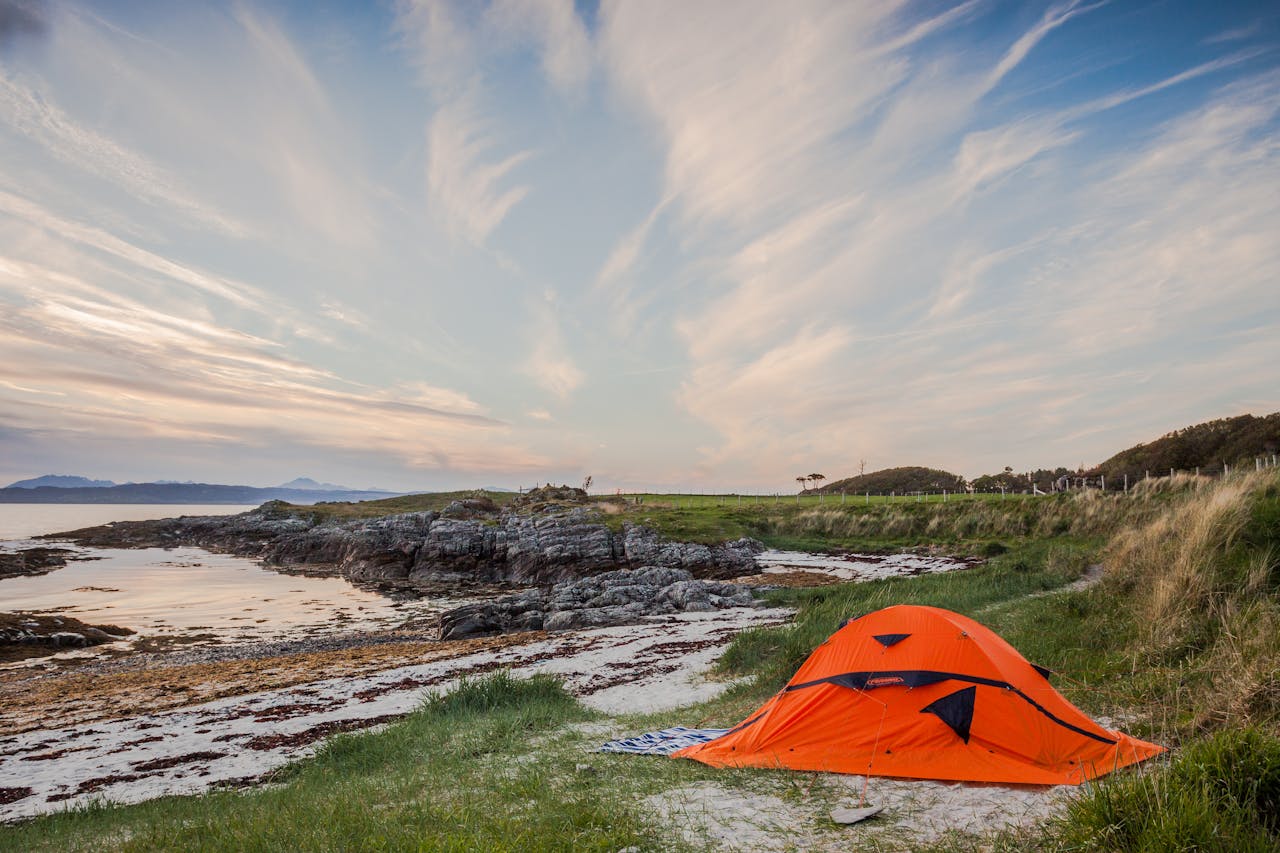
Wild camping in the Scottish Highlands is one of the best ways to experience Scotland’s rugged beauty. Far from busy towns and crowded campsites, the Highlands offer vast open landscapes where campers can sleep beside lochs, beneath mountains, and surrounded by complete silence.
For beginners, wild camping can feel both exciting and slightly intimidating. The Highlands are beautiful, but they are also remote and unpredictable. Proper preparation and responsible behaviour are essential for a safe and enjoyable experience.
With the right approach, wild camping allows visitors to experience Scotland in a way few holidays can match.
Taking out a payday loan loan can be a smart financial solution when used responsibly. It provides quick access to funds during emergencies, helping cover unexpected expenses such as car repairs, medical bills, or urgent household costs without long delays. Payday loans like the ones offered by Wage Day Advance are typically easier and faster to arrange than traditional borrowing, making them useful when immediate cash flow is needed.
What Is Wild Camping?
Wild camping simply means camping outside formal campsites, usually in remote natural areas.
In Scotland, responsible access rights under the Scottish Outdoor Access Code allow people to camp legally across much of the countryside, provided they respect the environment and local communities.
Wild camping is most common in:
- Highland glens
- Mountain valleys
- Beside remote lochs
- Forest clearings
- Open moorland areas
The aim is usually to camp quietly for a short period while leaving no trace behind.
Why the Highlands Are Perfect for Wild Camping
The Scottish Highlands contain some of the wildest landscapes in Europe. Large areas remain sparsely populated, creating a sense of freedom and isolation rarely found elsewhere in the UK.
What Makes the Highlands Special
Wild campers are drawn to the Highlands because of:
- Spectacular scenery
- Remote and peaceful locations
- Access to mountains and lochs
- Incredible sunsets and night skies
- Opportunities for hiking and wildlife watching
Waking up beside a mist-covered loch or beneath the peaks of Glen Coe is an experience many visitors never forget.
Choosing the Right Location
Finding a suitable campsite is one of the most important parts of wild camping.
Good Campsites Should Be:
- Flat and sheltered from wind
- Away from roads and buildings
- On durable ground rather than fragile vegetation
- Safe from rising water levels
- A reasonable distance from paths and homes
Popular areas for beginners include sections of the Cairngorms National Park and quieter areas around Highland lochs.
Avoid camping too close to busy tourist locations where restrictions may apply.
Essential Equipment for Beginners
Highland weather can change quickly, even during summer, so proper equipment is vital.
Basic Wild Camping Kit
Most beginners will need:
- A waterproof tent
- Warm sleeping bag
- Sleeping mat
- Waterproof clothing
- Hiking boots
- Portable stove and fuel
- Food and water
- Torch or headlamp
- Map and compass
Even in warmer months, temperatures can become cold overnight in the Highlands.
Understanding Highland Weather
Weather is one of the biggest challenges for new wild campers.
Conditions can change rapidly, particularly in mountainous areas near Ben Nevis or on exposed moorland.
Common Weather Conditions
Campers may encounter:
- Heavy rain
- Strong winds
- Thick mist
- Cold overnight temperatures
- Midges during summer months
Checking forecasts before travelling is essential, but conditions should still be treated with caution.
The Problem of Midges
No guide to Highland camping would be complete without mentioning midges.
These tiny biting insects are especially active during warm, damp, and still conditions between late spring and early autumn.
How to Reduce Midge Problems
Helpful tips include:
- Camping in breezy locations
- Using insect repellent
- Keeping tent doors closed
- Avoiding stagnant water areas
- Wearing long sleeves during evenings
Although annoying, midges are simply part of the Highland experience during summer.
Wild Camping Etiquette
Responsible behaviour is essential for protecting the Highlands.
The Scottish Outdoor Access Code encourages campers to leave the environment exactly as they found it.
Important Rules to Follow
Always:
- Take all rubbish home
- Avoid lighting fires where possible
- Respect wildlife and livestock
- Keep noise to a minimum
- Stay only one or two nights in the same place
- Camp well away from houses and roads
Poor camping behaviour can damage fragile landscapes and affect local communities.
Campfires in the Highlands
Although campfires may seem appealing, they can cause serious environmental damage, especially during dry weather.
Portable camping stoves are usually the safest and most responsible option.
If fires are permitted:
- Keep them small
- Use existing fire spots if available
- Never cut live wood
- Ensure fires are fully extinguished
Wildfires can spread quickly across dry Highland moorland.
Wildlife Encounters
Wild camping offers excellent opportunities to experience Highland wildlife.
Campers may spot:
- Red deer
- Golden eagles
- Pine martens
- Otters near lochs and rivers
- Mountain hares in upland areas
Quiet mornings and evenings are often the best times for wildlife watching.
Safety in Remote Areas
Some Highland camping locations are extremely remote, with limited phone signal and difficult terrain.
Basic Safety Advice
Before travelling:
- Tell someone your route and plans
- Carry navigation equipment
- Check weather forecasts carefully
- Avoid risky river crossings
- Know your limits when hiking
Preparation is key to staying safe in the Highlands.
A Unique Way to Experience Scotland
Wild camping allows visitors to experience the Highlands at their most peaceful and authentic. Without hotels, crowds, or distractions, the landscape feels far more personal and immersive.
Watching sunrise over a quiet loch or listening to rain on a tent beside a remote glen creates memories that last long after the trip ends.
For beginners willing to prepare properly and respect the environment, wild camping is one of the most rewarding ways to explore the Scottish Highlands.